
Smartphone Screen Scratch Resistance: Everything You Need to Know
When purchasing a smartphone, one of the most important factors to consider is screen durability. While many people focus on performance, battery life, or camera quality, scratch resistance is a key feature that can make a huge difference in the lifespan of your device. In this article, we’ll explore everything you need to know about smartphone screen scratch resistance and how to protect your phone from unsightly scratches.
Why Scratch Resistance is Important for Smartphones
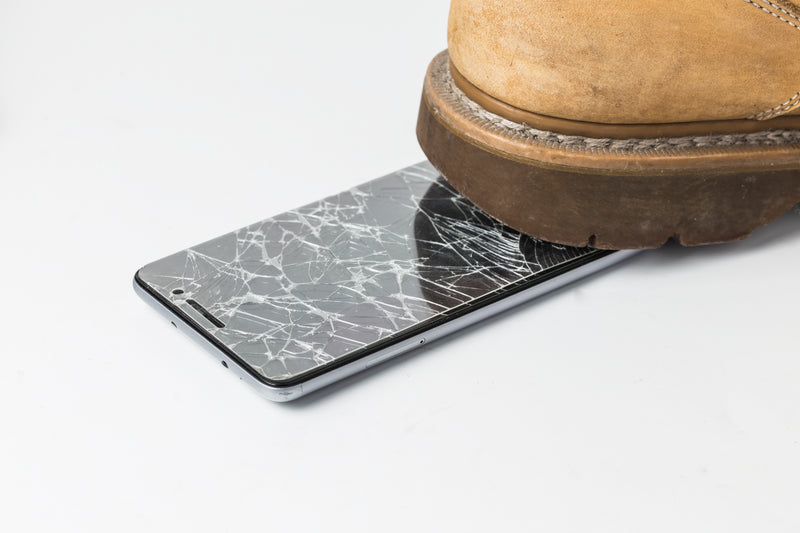
A scratched screen can be more than just an aesthetic issue. For most users, a smartphone screen is used for everything from typing messages and browsing the internet to watching movies and playing games. Scratches on the screen can distort the display and affect the overall experience, making the phone less enjoyable to use.
In addition, scratches can cause long-term damage to the screen’s functionality, potentially making it more susceptible to cracks and other issues. That’s why understanding screen scratch resistance is crucial when purchasing a new phone.
Key Materials That Enhance Scratch Resistance
Smartphone screens are typically made of various materials designed to enhance their durability. Corning Gorilla Glass and Sapphire Crystal are two of the most common materials used in high-end smartphones to offer increased resistance to scratches.
1. Gorilla Glass
One of the most well-known brands in smartphone screen protection is Corning’s Gorilla Glass. This toughened glass is chemically strengthened to resist scratches, cracks, and drops. There are multiple generations of Gorilla Glass, with newer versions offering enhanced scratch resistance and durability.
Key Features of Gorilla Glass:
-
Scratch Resistance: Designed to resist scratching from everyday materials like keys and coins.
-
Impact Resistance: Provides better protection against drops and accidental bumps.
-
Improved Clarity: Maintains high clarity and sensitivity even after years of use.
Smartphones like the Samsung Galaxy S23 and Apple iPhone 14 feature Gorilla Glass Victus, the latest iteration of the material, providing superior protection.
2. Sapphire Crystal
Sapphire crystal is another material used in some smartphone screens, particularly in high-end models or as protection for the camera lens. Sapphire is extremely scratch-resistant, almost as hard as diamonds, making it an ideal choice for preventing scratches from everyday objects.
Key Features of Sapphire Crystal:
-
Hardness: Rated 9 on the Mohs hardness scale (diamond is 10), making it highly resistant to scratches.
-
Transparency: Offers high optical clarity, which is great for displays and camera lenses.
-
Premium Durability: Found in high-end models like the Apple Watch and some limited-edition smartphones.
However, sapphire is more brittle than Gorilla Glass, meaning it can be prone to cracking under significant impact, despite its excellent scratch resistance.
Scratch Resistance Testing: How It’s Done
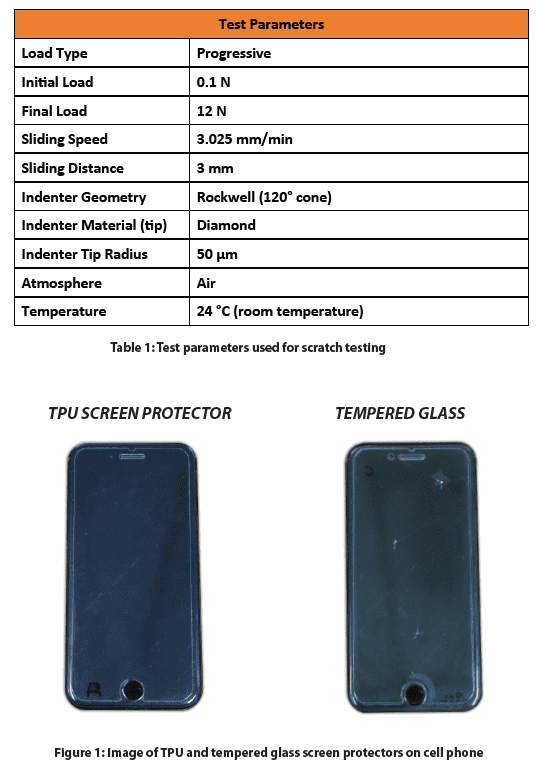
Manufacturers perform various tests to evaluate the scratch resistance of smartphone screens. These tests typically involve applying different levels of force to the screen using objects of varying hardness, such as steel, sand, or abrasive materials.
One of the most commonly used tests is the Mohs scale of hardness, which ranks materials based on their ability to resist scratching. Materials like talc rank as 1, while diamond ranks as 10. Gorilla Glass typically scores around 6-7, while sapphire is rated 9.
Test Parameters for Scratch Resistance:
-
Hardness: Measures the ability of the screen to resist scratches from everyday objects.
-
Abrasion Resistance: Tests how well the screen holds up against repeated contact with rough surfaces.
-
Impact Resistance: Assesses how the screen reacts to drops and sudden impacts.

How to Protect Your Smartphone Screen from Scratches
Even the most durable screens can suffer from scratches over time, especially if not properly protected. Here are some useful tips to keep your phone screen looking new:
1. Use a Screen Protector
A screen protector is one of the easiest ways to protect your smartphone’s screen from scratches. Tempered glass protectors are highly effective at absorbing scratches, and they are easy to apply without affecting the touchscreen’s performance.
2. Keep Your Phone in a Case
Using a phone case not only protects your phone from drops but also prevents keys, coins, and other sharp objects from coming into direct contact with the screen. Look for a case that covers the edges and corners to offer full protection.
3. Clean Your Phone Regularly
Dirt and grit can accumulate on your phone’s screen, and when combined with pressure, they can cause scratches. Use a microfiber cloth to clean your screen regularly, and make sure the cloth is free from debris.
4. Avoid Placing Your Phone in Pockets or Bags with Sharp Objects
It’s tempting to toss your phone into your bag or pocket, but doing so alongside keys, coins, or other sharp items can lead to scratches. Make sure to store your phone in a safe place where it won’t come into contact with hard or abrasive materials.
The Importance of Screen Care for Longevity
Taking good care of your smartphone’s screen doesn’t just help avoid scratches; it also contributes to the overall longevity of the device. A scratched screen can degrade the display quality over time, reducing its overall aesthetic appeal and usability. By following proper screen care practices, you ensure your smartphone remains in top condition for as long as possible.
Screen Protection Myths Debunked
There are many myths about smartphone screens and their scratch resistance. Here are a few common ones:
-
Myth 1: Gorilla Glass is Scratch-Proof
Reality: While Gorilla Glass is highly resistant to scratches, it is not completely scratch-proof. It can still be scratched by harder materials like diamonds. -
Myth 2: You Don’t Need a Case with Scratch-Resistant Glass
Reality: Even with scratch-resistant glass, accidental drops or sharp objects can still cause damage. A case provides extra protection. -
Myth 3: Screen Protectors Are Just a Marketing Ploy
Reality: Screen protectors are an affordable way to keep your phone screen safe from scratches and should be considered essential for anyone looking to prolong the life of their phone.
Frequently Asked Questions (FAQs)
1. How do I know if my phone has Gorilla Glass?
Most manufacturers will specify in their product details if the screen is made with Gorilla Glass. Check the technical specifications on the manufacturer’s website or in the product description to confirm.
2. Can a screen protector prevent scratches?
Yes, screen protectors are designed to absorb the impact of scratches, preventing damage to your phone’s screen. However, they do not guarantee 100% protection and should be used alongside other protective measures like cases.
3. Is Sapphire better than Gorilla Glass for scratch resistance?
Sapphire is harder than Gorilla Glass, making it more resistant to scratches. However, it is more brittle and can crack under impact, so it’s a trade-off between scratch resistance and impact durability.
4. Can a scratched screen be repaired?
Minor scratches are often unavoidable, but if your screen is significantly damaged, you may need to have it replaced. There are services that can polish out light scratches, but deep scratches may require screen replacement.
Conclusion
In the fast-paced world of smartphones, screen scratch resistance is an essential feature for anyone looking to keep their device in top shape. Whether you choose a phone with Gorilla Glass, sapphire crystal, or another durable material, understanding what protects your screen and how to maintain it will help prolong the life of your device.
By taking simple precautions like using a screen protector, keeping your phone in a case, and cleaning it regularly, you can ensure your phone remains scratch-free and visually appealing for years to come. The combination of the right materials and proper care will keep your screen looking pristine and functional, no matter where life takes you.