
Smartphone Display Sunlight Readability: The Ultimate Guide
In today’s fast-paced world, smartphone displays are constantly evolving, offering enhanced features like higher resolutions, vibrant colors, and advanced touch sensitivity. One of the most important yet often overlooked aspects of a smartphone display is its sunlight readability. Whether you’re out for a run, sitting at a café, or taking a call outdoors, a screen’s ability to remain legible in direct sunlight can make or break the user experience. This article explores why sunlight readability is crucial, what factors affect it, and how you can choose the best smartphone for use in bright conditions.
What is Sunlight Readability?
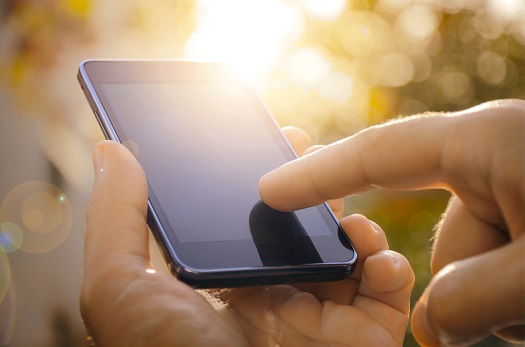
Sunlight readability refers to the clarity and visibility of a smartphone display under direct sunlight. When you’re outdoors and the sun is shining, it can cause your smartphone screen to become washed out, making it difficult to read text, view images, or use apps. Good sunlight readability ensures that your screen remains clear and vibrant, allowing you to use your device in bright conditions without straining your eyes.
Key factors affecting sunlight readability include:
-
Brightness levels: A higher peak brightness helps a display stay visible in bright sunlight.
-
Screen coating: Anti-reflective or matte coatings can reduce glare and improve screen visibility.
-
Display type: Different types of displays, such as AMOLED and LCD, have varying performance when exposed to sunlight.
Why is Sunlight Readability Important?
Sunlight readability has become an essential feature for modern smartphones, especially for users who are constantly on the go. Whether you’re navigating using a map, reading emails, or watching a video outdoors, a bright, clear screen is essential for an optimal experience.
Some benefits of good sunlight readability include:
-
Better outdoor usability: Whether you’re in the park or out for a walk, you won’t struggle to read content on your phone.
-
Enhanced productivity: If you need to check your emails or messages while outdoors, a visible screen ensures you stay on top of your tasks.
-
Comfortable viewing: Reduces the need for squinting or shading the screen with your hand.
In short, having a smartphone that offers excellent sunlight readability improves both convenience and usability in everyday life.
How to Improve Sunlight Readability
While smartphones come with pre-configured brightness settings, you can make adjustments to enhance sunlight readability. Here are some tips on how to improve the visibility of your smartphone display in bright conditions:
-
Increase screen brightness: Most smartphones have a brightness slider that adjusts the screen’s brightness. Increasing it manually can make a significant difference.
-
Enable adaptive brightness: Many smartphones come with an adaptive brightness feature that automatically adjusts the screen brightness based on ambient light conditions. This ensures optimal visibility without wasting battery.
-
Use a matte screen protector: A matte screen protector helps to diffuse light and reduce glare, making the screen easier to read in direct sunlight.
-
Turn on dark mode: Dark mode reduces the amount of light emitted from the display, helping improve readability under bright conditions, particularly with OLED displays.
By optimizing these settings and choosing the right phone, you can drastically improve your smartphone’s sunlight readability.
Best Smartphones for Sunlight Readability
With a variety of smartphones available today, it can be hard to decide which one offers the best sunlight readability. Based on peak brightness levels, screen coatings, and display technologies, here are some of the top smartphones for using outdoors in bright sunlight:
1. Apple iPhone 15 Pro Max
The iPhone 15 Pro Max is one of the best smartphones for visibility in sunlight, thanks to its impressive 2,000 nits peak brightness. The Super Retina XDR OLED display, paired with True Tone and HDR10 support, ensures that the display remains clear and vibrant even under harsh sunlight. The Ceramic Shield coating further enhances the screen’s durability, making it ideal for outdoor use.
Key Features:
-
2,000 nits peak brightness
-
OLED display with HDR10
-
Ceramic Shield for added durability
-
True Tone for more natural colors
2. Samsung Galaxy S23 Ultra
The Samsung Galaxy S23 Ultra boasts an impressive peak brightness of 1,750 nits, making it a standout choice for outdoor use. The Dynamic AMOLED 2X display offers vibrant colors, sharp contrast, and a high refresh rate, all of which contribute to excellent sunlight readability. The Gorilla Glass Victus 2 coating protects the screen from scratches and smudges, which is especially useful when handling the phone under direct sunlight.
Key Features:
-
1,750 nits peak brightness
-
Dynamic AMOLED 2X display
-
Gorilla Glass Victus 2 for added screen protection
-
120Hz refresh rate for smooth scrolling
3. Google Pixel 8 Pro
The Google Pixel 8 Pro features a peak brightness of 1,600 nits with its LTPO OLED display, ensuring clear visibility even on the sunniest days. Google’s Adaptive Display technology helps adjust the brightness dynamically, so the screen remains readable in changing lighting conditions. Additionally, the matte finish on the Pixel 8 Pro’s glass enhances sunlight readability by reducing reflections.
Key Features:
-
1,600 nits peak brightness
-
LTPO OLED display
-
Adaptive Display for dynamic brightness adjustments
-
Matte finish for reduced reflections
4. OnePlus 11 5G
The OnePlus 11 5G offers a peak brightness of 1,500 nits, providing excellent visibility in outdoor conditions. Its AMOLED display delivers crisp and bright colors, while the 120Hz refresh rate ensures smooth interaction with the phone. Additionally, OnePlus has optimized the display with a reflective coating, which helps reduce glare and improve sunlight readability.
Key Features:
-
1,500 nits peak brightness
-
AMOLED display with vibrant colors
-
120Hz refresh rate for smooth navigation
-
Reflective coating for reduced glare
5. Xiaomi 13 Pro
The Xiaomi 13 Pro features a 6.73-inch AMOLED display with a peak brightness of 1,900 nits, making it ideal for use in bright outdoor environments. The display also supports HDR10+ and Dolby Vision, ensuring that images remain sharp, even when viewed under sunlight. Xiaomi’s Sunlight Mode further enhances screen readability in direct sunlight by adjusting the brightness levels.
Key Features:
-
1,900 nits peak brightness
-
AMOLED display with HDR10+ and Dolby Vision
-
Sunlight Mode for improved visibility in bright conditions
Frequently Asked Questions (FAQs)
Q1: What is the best smartphone for sunlight readability?
The iPhone 15 Pro Max and Samsung Galaxy S23 Ultra are two of the best smartphones for sunlight readability, offering peak brightness levels of up to 2,000 nits and 1,750 nits, respectively.
Q2: How can I improve my smartphone’s visibility in the sun?
You can increase your phone’s brightness, use adaptive brightness, enable dark mode, and apply a matte screen protector to reduce glare.
Q3: Does having a higher peak brightness affect battery life?
Yes, higher peak brightness levels can lead to faster battery drain, but most smartphones optimize brightness settings based on ambient light conditions to balance performance and battery efficiency.
Q4: What is the difference between OLED and LCD displays for sunlight readability?
OLED displays tend to perform better in sunlight because they offer higher contrast ratios and can achieve higher peak brightness levels than LCD screens, making them easier to read under direct sunlight.
Conclusion
In conclusion, if you’re looking for a smartphone that offers excellent sunlight readability, it’s crucial to consider factors like peak brightness, display technology, and screen coatings. Smartphones like the iPhone 15 Pro Max, Samsung Galaxy S23 Ultra, and Google Pixel 8 Pro offer the best performance in bright conditions, allowing you to use your device without straining your eyes.
Whether you’re using your phone for work, leisure, or navigation outdoors, investing in a high-quality display with great sunlight readability ensures that your device remains functional no matter where you are.