
Best Smartphones with High Refresh Rate: Top Picks for 2025
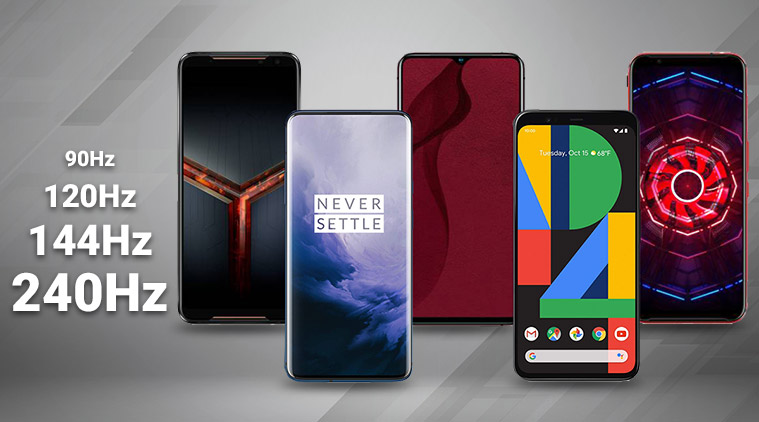
In today’s world, smartphone refresh rates play a crucial role in enhancing the user experience, particularly for gamers, media enthusiasts, and anyone who values smooth, fluid motion on their screens. With the latest smartphones offering refresh rates of up to 120Hz and 144Hz, it’s time to explore the best devices that provide this feature. In this article, we will dive into the top smartphones with high refresh rates available in 2025.

What is a High Refresh Rate?
Before diving into the top smartphones, it’s important to understand what a high refresh rate actually is. The refresh rate is the number of times a display updates with new information per second. A 60Hz refresh rate means the screen refreshes 60 times per second, while a 120Hz or 144Hz refresh rate offers a smoother experience, as the screen refreshes 120 or 144 times per second. This makes for a more responsive and fluid experience, particularly when scrolling through content or playing fast-paced games.
Why Does Refresh Rate Matter?
A higher refresh rate offers several significant advantages, including:
-
Smoother navigation: Scrolling, swiping, and transitioning between apps are incredibly fluid.
-
Better gaming experience: A higher refresh rate provides smoother gameplay, especially in fast-action games, reducing lag and ghosting.
-
Enhanced media consumption: Watching high-frame-rate videos looks much more immersive.
Now, let’s explore the best smartphones offering high refresh rates in 2025.
Best Smartphones with High Refresh Rate in 2025
1. Samsung Galaxy S23 Ultra – 120Hz Display
The Samsung Galaxy S23 Ultra is one of the most premium smartphones of 2025, featuring a 120Hz Dynamic AMOLED 2X display. This phone offers exceptional color accuracy, deep contrasts, and smooth scrolling. Whether you’re gaming, streaming content, or simply browsing social media, the 120Hz refresh rate will offer a buttery-smooth experience.
Pros:
-
Stunning display quality with vibrant colors.
-
Great performance for gaming and multitasking.
-
Excellent camera capabilities.
Cons:
-
Expensive.
-
Bulky design.
2. OnePlus 11 5G – 120Hz Fluid AMOLED Display
OnePlus has long been a leader in offering premium specs at more affordable prices. The OnePlus 11 5G features a 120Hz Fluid AMOLED display, making it one of the best options for those seeking a high refresh rate without breaking the bank. Its display is crisp, bright, and perfect for gaming, multimedia, and everyday use.
Pros:
-
Excellent value for money.
-
Super-fast charging speed.
-
Great gaming performance.
Cons:
-
No wireless charging.
-
Camera performance could be better.
3. Xiaomi Mi 13 Pro – 120Hz AMOLED Display
Xiaomi’s Mi 13 Pro comes equipped with a 120Hz AMOLED display, offering excellent refresh rate performance alongside top-notch camera capabilities. Whether you’re watching videos or playing games, the display provides an immersive and responsive experience.
Pros:
-
Powerful performance with Snapdragon 8 Gen 2.
-
Great value for money.
-
Excellent camera performance.
Cons:
-
Software updates can be slow.
-
MIUI can be bloatware-heavy.
4. Realme GT 2 Pro – 120Hz LTPO AMOLED Display
The Realme GT 2 Pro brings a 120Hz LTPO AMOLED display that adjusts the refresh rate based on the content you’re viewing, thus saving battery life without compromising performance. Whether you’re gaming, watching movies, or browsing, the refresh rate is responsive and offers a great visual experience.
Pros:
-
High-end display with adaptive refresh rate.
-
Powerful Snapdragon 8 Gen 1 chipset.
-
Great value for its price.
Cons:
-
Camera could be better in low light.
-
The software experience may not appeal to all users.
5. Google Pixel 8 Pro – 120Hz LTPO OLED Display
The Google Pixel 8 Pro offers an amazing 120Hz LTPO OLED display, providing fluid animation and a bright, vibrant display that’s perfect for media consumption. Google’s commitment to software optimization means that you’ll enjoy smooth transitions and a responsive user experience.
Pros:
-
Excellent software and camera optimizations.
-
Beautiful 120Hz display.
-
Clean Android experience.
Cons:
-
Not as powerful in gaming as others.
-
No expandable storage.

How to Choose a Smartphone with High Refresh Rate?
When looking for a smartphone with a high refresh rate, keep these key factors in mind:
1. Display Technology
-
AMOLED and OLED displays typically provide better contrast, deeper blacks, and more vibrant colors compared to LCD screens.
-
Choose an LTPO display if you want adaptive refresh rates to save battery life.
2. Gaming Performance
If you plan on using your phone for gaming, ensure the phone also has a powerful chipset (like Snapdragon 8 Gen 2 or equivalent) to complement the high refresh rate and ensure smooth gameplay.
3. Battery Life
Higher refresh rates can drain the battery faster. Check for features like adaptive refresh rate (LTPO) to help optimize power consumption.
4. Software Optimization
Software optimization plays a significant role in how smooth the display feels. Phones like OnePlus and Google Pixel are known for offering great software support, which makes their high-refresh-rate displays feel seamless.
FAQs
Q1: What does a high refresh rate do for a smartphone?
A high refresh rate enhances visual smoothness and improves touch response, especially in gaming and media consumption. It makes animations, transitions, and scrolling feel fluid and responsive.
Q2: Is 120Hz enough for a smooth experience?
Yes, a 120Hz refresh rate is more than sufficient for most users. It provides an ultra-smooth experience for both general usage and gaming. Higher refresh rates like 144Hz or 165Hz are typically only beneficial for competitive gamers.
Q3: Does a higher refresh rate affect battery life?
Yes, a higher refresh rate can consume more battery. However, phones with adaptive refresh rates (like LTPO) can adjust the refresh rate based on usage, helping to balance performance and power consumption.
Q4: Which is better, 90Hz or 120Hz?
A 120Hz display offers a smoother experience than a 90Hz one, particularly when scrolling or playing fast-paced games. While both are better than the standard 60Hz, 120Hz is more noticeable for fluidity and responsiveness.
Q5: Do all apps support high refresh rates?
Not all apps take full advantage of high refresh rates, but most modern games and media apps do. However, regular apps like social media or web browsing may not need a high refresh rate to perform well.
Conclusion
When it comes to selecting the best smartphone with a high refresh rate, 120Hz is now the standard for flagship devices, offering a perfect balance of performance and fluidity. Whether you are gaming, watching movies, or browsing the web, these smartphones provide smooth visuals and excellent performance. Consider the Samsung Galaxy S23 Ultra, OnePlus 11, or the Google Pixel 8 Pro for a superior visual experience in 2025.
By choosing a smartphone with a high refresh rate, you ensure that your device stays up-to-date with the latest display technology, offering you the best performance possible. Happy shopping!