
Smartphone Camera Image Processing: Unlocking the Power of Modern Photography
Smartphone cameras have evolved into powerful tools capable of producing professional-quality images. At the heart of this capability lies image processing technology, which is responsible for transforming raw data from the camera sensor into the vibrant, sharp photos we capture every day. Understanding how smartphone camera image processing works can help you take better photos, appreciate the technology behind the scenes, and make more informed decisions when choosing your next phone.
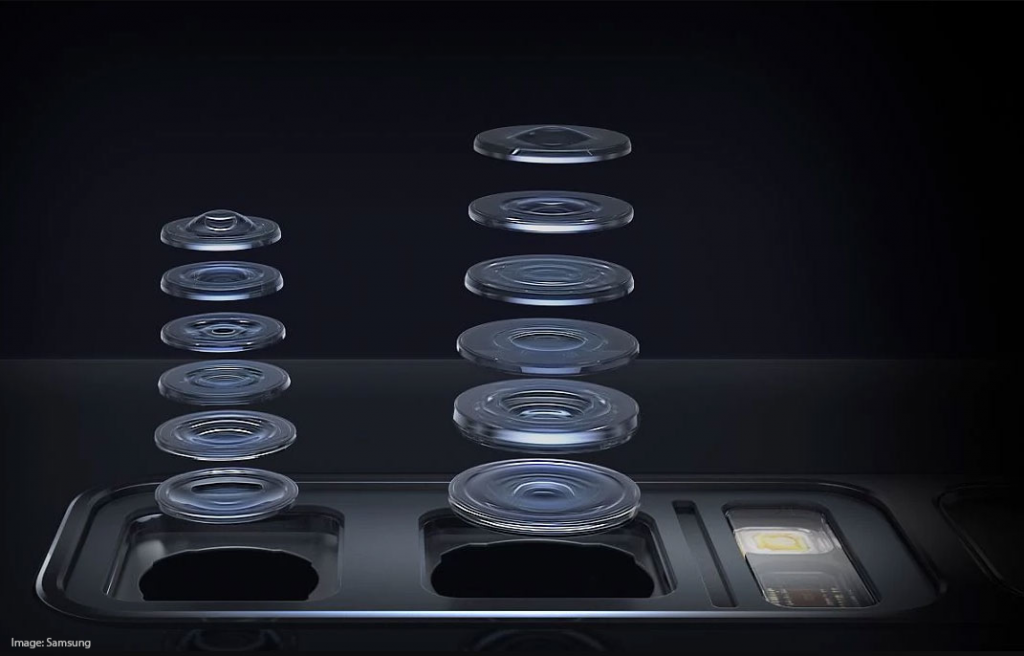
(Image: Different components embedded in smartphone cameras)
What Is Smartphone Camera Image Processing?
Smartphone cameras don’t just capture an image and display it. Instead, they take raw data from the camera sensor and process it through various algorithms to produce a final image. This process involves multiple steps, including noise reduction, color correction, sharpness enhancement, and dynamic range adjustment.
The image signal processor (ISP) is the brain of this operation. It interprets the raw data from the sensor and uses advanced algorithms to refine the photo. Today’s smartphones are equipped with powerful ISPs that enable features like HDR, AI-enhanced photography, and low-light improvements.
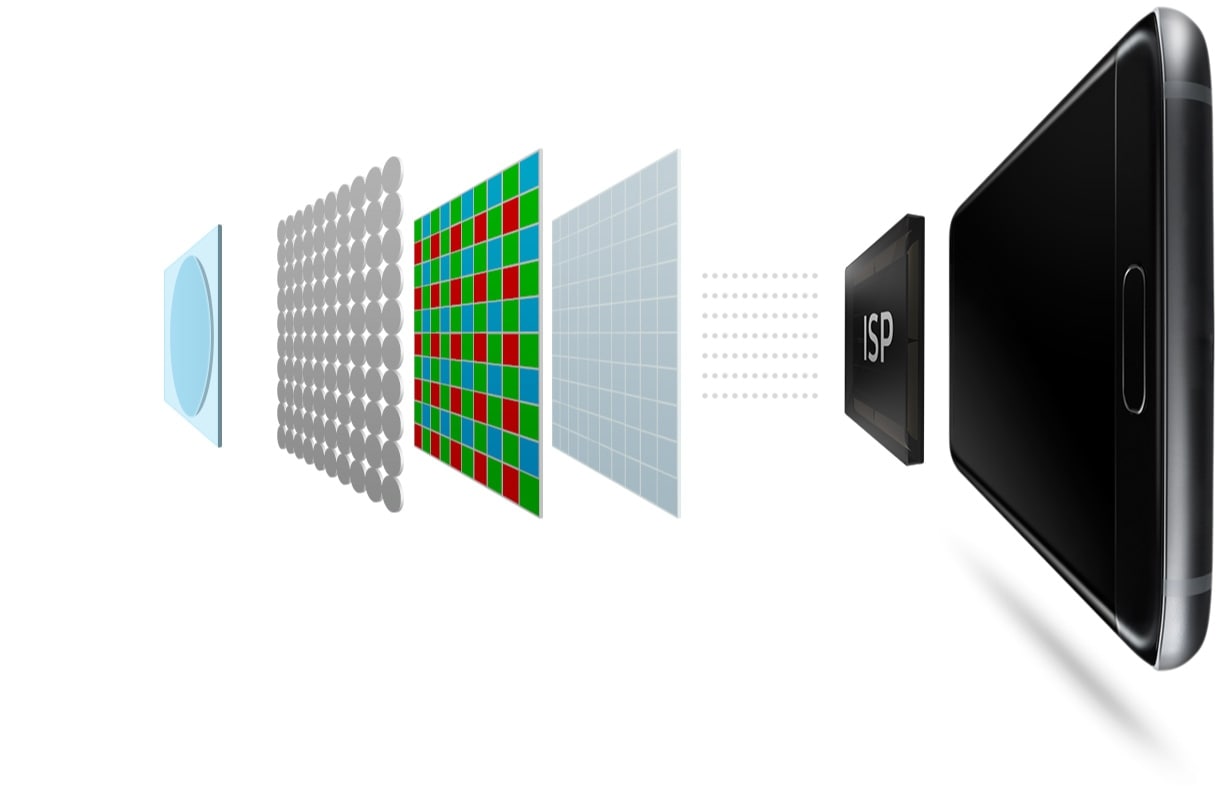
(Image: The image signal processor is critical for high-quality smartphone photos)
How Does Image Processing Affect Your Photos?
Image processing can significantly enhance the quality of your photos by improving elements like exposure, color balance, and sharpness. Let’s explore how different aspects of image processing influence your photos.
1. Noise Reduction
When you take photos in low-light conditions, noise (the grainy texture that appears in dark areas) can be a problem. Advanced image processing algorithms detect noise and reduce it without sacrificing too much detail. Smartphones use techniques like multi-frame noise reduction, where multiple exposures are captured and combined to create a cleaner image.
2. Dynamic Range Adjustment
One of the most impressive features of modern smartphone cameras is their ability to capture both bright highlights and deep shadows in the same shot. High Dynamic Range (HDR) processing helps by blending multiple exposures to create a single, well-balanced image. This is especially useful when photographing scenes with extreme lighting, such as landscapes at sunset.
3. Color Correction
Smartphone cameras often apply color correction algorithms to ensure accurate, lifelike colors. These algorithms adjust the white balance and enhance the saturation to make your photos look natural and vivid. This is particularly important when shooting in different lighting conditions, like indoors under fluorescent lights or outdoors in bright sunlight.
4. Detail Enhancement and Sharpening
Image processing also enhances the level of detail in your photos. Edge enhancement and sharpening algorithms work together to make subjects stand out. Smartphones may use AI algorithms to automatically detect objects like faces, making sure they’re crisp and clear.
5. Portrait Mode and Depth Mapping
For portrait shots, smartphones use depth sensing technologies like LiDAR or Time-of-Flight (ToF) sensors to detect the subject’s distance from the background. This information is used to create a realistic bokeh effect, blurring the background and focusing attention on the subject.
The Role of Artificial Intelligence (AI) in Image Processing
Artificial intelligence has become an integral part of modern image processing. It allows smartphones to intelligently recognize scenes, optimize settings, and enhance photos without needing manual adjustments. Here’s how AI helps:
-
Scene Detection: AI can automatically detect what you’re photographing—whether it’s a portrait, landscape, or food—and apply the best settings accordingly.
-
AI Super Resolution: This feature enhances image quality by increasing the resolution and sharpness of photos, especially when cropping or zooming in.
-
Night Mode: AI combines multiple exposures to brighten photos in low-light environments while maintaining detail in both the highlights and shadows.
(Image: A comparison of smartphone image quality highlighting the role of image processing)
How Smartphone Cameras Have Evolved with Image Processing
Smartphone camera image processing has come a long way since the early days of mobile photography. Modern smartphones now feature advanced sensors and high-performance ISPs that rival professional cameras. These advancements enable 4K video recording, slow-motion footage, and even RAW photo support for users who want to fine-tune their shots.
The evolution of computational photography—which combines hardware and software for enhanced photo quality—has played a significant role in this progress. For instance, the Google Pixel series is known for its computational photography features, such as HDR+ and Night Sight, which leverage powerful algorithms to create images with incredible detail and dynamic range.
Key Image Processing Technologies to Look For in Smartphones
When choosing a smartphone for its camera capabilities, there are a few key image processing technologies to keep an eye on. These technologies can dramatically improve the quality of your photos.
1. Sensor Fusion
Sensor fusion involves combining data from multiple sensors, including the camera, accelerometer, and gyroscope, to create an accurate image. This allows smartphones to optimize features like auto-focus, stabilization, and exposure control.
2. Dual Pixel Autofocus
Dual Pixel autofocus is a technology that enables fast and precise focus, even in low light. This is especially beneficial for portrait shots or action photography, where subject motion can make focus difficult.
3. Optical Image Stabilization (OIS)
Optical Image Stabilization compensates for small movements, reducing blurriness in photos taken with shaky hands. This is especially useful when capturing long exposure shots or video in challenging conditions.
4. AI-enhanced Filters and Effects
Many modern smartphones feature AI-driven filters and photo effects that allow you to customize your photos. These filters can automatically enhance specific features, such as skin tone in portraits or the vibrancy of landscapes.
Best Smartphones for Image Processing
Here are some of the top smartphones renowned for their camera image processing capabilities:
1. Apple iPhone 14 Pro Max
Apple’s iPhone 14 Pro Max boasts ProRAW support, which allows you to capture photos with minimal processing, giving you full control over editing. The A16 Bionic chip powers its image signal processor, allowing for seamless HDR and low-light photography.
2. Samsung Galaxy S23 Ultra
With its 200 MP main sensor and advanced AI algorithms, the Samsung Galaxy S23 Ultra excels at capturing stunning detail and dynamic range. Its Space Zoom feature is perfect for high-quality zoomed-in shots, even from a distance.
3. Google Pixel 7 Pro
The Google Pixel 7 Pro is a favorite for computational photography enthusiasts. Its Google Tensor G2 chip and advanced image processing algorithms work together to create realistic photos with exceptional detail, even in difficult lighting conditions.
4. Xiaomi 13 Pro
The Xiaomi 13 Pro is equipped with a 50 MP Leica camera system that excels in color accuracy and dynamic range. Its processing algorithms are fine-tuned to provide vibrant, natural-looking images, especially in outdoor settings.
Conclusion
Smartphone camera image processing is a critical component that transforms raw sensor data into stunning, professional-quality photos. With advancements in AI, sensor fusion, and computational photography, modern smartphones are capable of achieving results once reserved for expensive cameras. Whether you’re an amateur photographer or a seasoned pro, understanding the power of image processing can help you take better photos and fully appreciate the technology behind the scenes.
Choosing a smartphone with top-tier image processing features like AI enhancements, HDR, and low-light performance will ensure that you can capture beautiful photos in any environment. With options like the iPhone 14 Pro Max, Samsung Galaxy S23 Ultra, and Google Pixel 7 Pro, you’re guaranteed a camera experience that is both powerful and intuitive.