
Understanding Smartphone Camera Depth Sensors: A Complete Guide
In recent years, smartphone cameras have undergone tremendous improvements. One of the most notable advancements is the introduction of the depth sensor. While most people are familiar with traditional camera features, depth sensors add a new dimension to the world of smartphone photography. But what exactly is a depth sensor, and how does it enhance your smartphone photography experience? In this article, we will dive deep into the role of depth sensors in modern smartphones, their functionality, and the benefits they bring to your everyday photos.
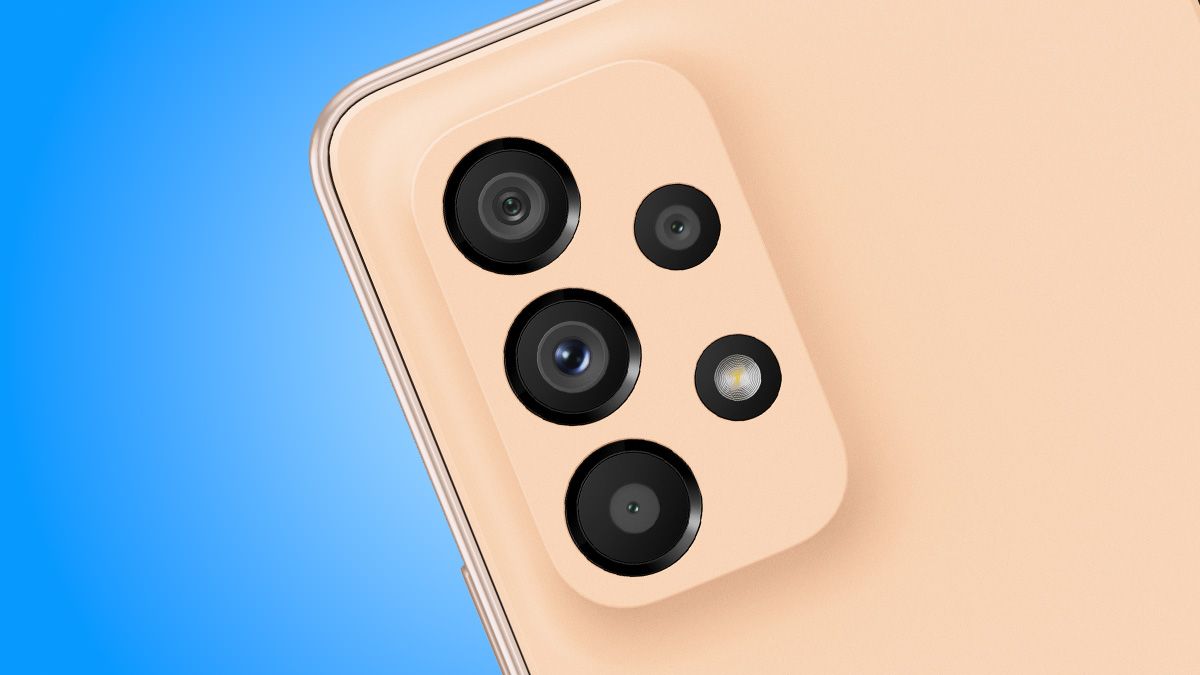
What is a Depth Sensor in a Smartphone Camera?
A depth sensor is a type of camera sensor that measures the distance between the camera and objects in the frame. By understanding the depth of field, the sensor creates a 3D map of the scene, which allows the phone to enhance photos with features like portrait mode, bokeh effects, and even augmented reality (AR) experiences. Depth sensors are often paired with the primary camera and are becoming an essential feature in smartphones designed for advanced photography.
How Does a Depth Sensor Work?
Depth sensors utilize light to calculate the distance of objects in a scene. Most commonly, time-of-flight (ToF) sensors and structured light sensors are used. Here’s how each works:
-
Time-of-flight sensors: These sensors emit infrared light, which then bounces off objects in the frame. The sensor measures how long it takes for the light to return, helping it calculate the distance to each object.
-
Structured light sensors: These sensors project a pattern of light onto the scene and use the distortion of that pattern to determine depth information.
This data is processed by the phone’s software, which allows for the creation of depth maps that enhance the overall image.
Benefits of Depth Sensors for Smartphone Photography
Depth sensors offer several advantages to photographers, both amateur and professional. Here’s a look at some of the key benefits they bring to your photography experience:
1. Enhanced Portrait Mode
One of the most popular features powered by depth sensors is portrait mode. This mode allows you to take pictures with a blurred background, which highlights the subject in sharp focus. The depth sensor helps the camera distinguish between the subject and the background, creating a more accurate bokeh effect.
2. Improved Focus and Detail
Depth sensors allow for faster and more accurate focusing, especially in low-light situations. They provide information about the scene’s depth, enabling the camera to focus more precisely on the subject, even when there is minimal contrast. This leads to clearer, more detailed images, even in tricky lighting conditions.
3. Augmented Reality (AR) Experiences
Depth sensors enhance AR experiences by accurately mapping the environment. This allows users to interact with virtual objects that appear to be placed in real-world spaces. Whether it’s gaming, shopping, or interior design, depth sensors play a crucial role in providing a more immersive AR experience.
4. 3D Scanning and Modeling
Some smartphones with advanced depth sensors can create 3D models of objects and environments. This feature is particularly useful in fields like interior design, architecture, and even medicine, where precise 3D scans are necessary for planning and analysis.
Types of Depth Sensors in Smartphones
Not all depth sensors are created equal. Depending on the manufacturer and the smartphone’s intended use, different types of sensors are used. Here are the most common types of depth sensors in smartphones today:
1. Time-of-Flight (ToF) Sensors
The ToF sensor is the most common type of depth sensor found in modern smartphones. It provides highly accurate depth measurement and is used in portrait mode, 3D scanning, and AR applications. Due to its fast response time and precision, it is particularly suited for high-end smartphones.
2. LiDAR Sensors
LiDAR (Light Detection and Ranging) sensors are an advanced form of depth sensor that use laser beams to scan a scene and measure distances. Apple’s iPhone 12 Pro and newer models come equipped with LiDAR, allowing for incredibly accurate depth mapping and improving low-light autofocus capabilities.
3. Structured Light Sensors
Structured light sensors project a specific pattern of light onto objects, and the sensor calculates the depth based on how the pattern is distorted. These sensors are commonly used for face recognition and 3D object scanning.
How Depth Sensors Improve Your Camera’s Performance
Depth sensors offer numerous improvements to your smartphone camera’s overall performance. Here’s how:
-
Faster Autofocus: With the depth data provided by the sensor, smartphones can focus more quickly and accurately, especially in challenging lighting situations.
-
Better Low-Light Performance: By using depth data to understand the scene’s structure, depth sensors improve camera performance in low-light conditions.
-
Realistic Bokeh Effect: Depth sensors ensure that portrait mode is more accurate, offering a more natural-looking bokeh effect with sharp subject focus and a beautifully blurred background.
Popular Smartphones with Depth Sensors
If you’re looking for a smartphone with a high-quality depth sensor, several models come to mind. Here are some of the top phones equipped with depth sensors:
1. Samsung Galaxy A53
The Samsung Galaxy A53 comes with an excellent camera array, including a depth sensor that helps create stunning portrait shots. It features a 64MP main camera and a 12MP ultra-wide lens, both paired with a depth sensor to produce beautiful, detailed photos.
2. Apple iPhone 13 Pro
The iPhone 13 Pro is equipped with LiDAR technology, which significantly enhances portrait mode and low-light photography. The depth-sensing capabilities of the iPhone allow for impressive AR experiences and 3D scanning.
3. Google Pixel 6 Pro
The Google Pixel 6 Pro features a powerful camera system that utilizes a depth sensor for enhanced photography. It also benefits from Google’s AI-driven software that optimizes depth mapping for perfect portrait shots and night photography.
How to Make the Most of Your Smartphone’s Depth Sensor
To get the best results from your smartphone’s depth sensor, follow these tips:
-
Use Portrait Mode for Creative Shots: Take advantage of the depth sensor’s ability to blur the background and highlight the subject. Experiment with different lighting and angles to create stunning portraits.
-
Explore AR Apps: Download AR apps that make use of your depth sensor, such as games or virtual shopping experiences, to fully explore its capabilities.
-
Experiment with 3D Scanning: If your phone has 3D scanning capabilities, try scanning objects and environments for fun and practical uses, such as creating 3D models for design or printing.
FAQs About Smartphone Camera Depth Sensors
1. What is the difference between a depth sensor and a regular camera?
A regular camera captures the colors and brightness of a scene, while a depth sensor focuses on measuring the distance of objects in the scene, allowing for 3D mapping and enhanced focus.
2. Do all smartphones have depth sensors?
No, not all smartphones come with depth sensors. While premium smartphones often include this feature, many budget phones may lack depth sensors or rely on software to simulate effects like portrait mode.
3. Can I use depth sensors for video recording?
Yes, depth sensors can be used for video recording to create cinematic effects like background blur and focus tracking. Some phones even offer depth-based stabilization for smoother footage.
4. How accurate are depth sensors in smartphones?
Depth sensors are highly accurate, especially in higher-end smartphones equipped with ToF or LiDAR sensors. However, performance can vary depending on the sensor quality and the phone’s software optimization.
Conclusion
Depth sensors have revolutionized smartphone photography, offering features like portrait mode, AR experiences, and 3D scanning. Whether you’re looking to take stunning portraits or explore virtual worlds with AR, a depth sensor enhances your smartphone’s capabilities, making it a vital feature in today’s devices. As smartphones continue to evolve, we can expect even more advanced depth-sensing technologies that further improve our photography and overall smartphone experience.
If you’re looking for a phone that excels in photography, depth sensors should be at the top of your list. With their ability to provide realistic bokeh, fast focusing, and impressive AR capabilities, depth sensors bring new possibilities to your camera.